A one-bedroom unit can look equally attractive on a listing page, yet its day-to-day value may be completely different once keys are handed over. The serviced apartment versus condominium decision is not simply about finishes, a pool, or a city address. It is a decision about how you want to live, how much you want to manage, and whether the property can support a hospitality-led income strategy.
For buyers in Johor Bahru, especially those connected to Singapore through the CIQ and future RTS corridor, the right answer often comes down to one question: do you want a private residence that you operate yourself, or a home with hotel-style support built into the ownership experience?
What Is the Difference Between a Serviced Apartment and a Condominium?
A condominium is primarily a residential property. Owners typically receive a strata title, pay maintenance fees, and enjoy shared facilities such as security, parking, a gym, and a swimming pool. The owner is generally responsible for furnishing the unit, arranging repairs inside the home, finding tenants, collecting rent, and handling guest communication if short-term stays are permitted.
A serviced apartment combines a residential unit with a stronger hospitality operating model. Depending on the project, it may provide front-desk service, housekeeping options, guest support, booking management, and a more curated arrival experience. Think pre-cooled rooms, welcome drinks, and a team that can respond when a guest needs fresh towels at 10 p.m. These details are not merely lifestyle extras. They are operational systems that can affect reviews, repeat stays, and rental performance.
The categories can overlap. Some condominiums offer service-like amenities, while some serviced apartments are sold on a strata basis and function as private homes. Do not rely on the label alone. Review the development’s management structure, house rules, maintenance charges, permitted rental use, and the exact services that are included or available at additional cost.
Serviced Apartment Versus Condominium for Owner Living
For owner-occupiers, a conventional condominium can be ideal when privacy and independence are the priority. You may prefer to select every piece of furniture, control access to your unit, and keep your home separate from a guest-oriented environment. A long-term residential community can also feel more settled for families or buyers planning to stay for many years.
A serviced apartment can be more compelling for professionals, frequent cross-border travelers, and single dwellers who value time as much as square footage. A compact one-bedroom layout is easier to furnish, clean, and maintain than a larger home, while professionally managed touchpoints reduce the friction of arriving late, leaving for a work trip, or coordinating repairs from another city.
The trade-off is that hospitality-supported living often involves clearer operating standards. There may be rules around check-in procedures, visitor access, bookings, and use of common areas. For many buyers, that consistency is part of the appeal. For others, especially those who want a fully self-directed residential environment, it may feel less personal.
The Real Investment Question: Who Runs the Rental?
The biggest distinction for an investor is not whether the unit has a lobby. It is who carries the workload after a booking is made.
With a typical condominium rental, the owner may engage an agent for a long-term lease or manage a short-term listing independently. That can offer control over nightly pricing, furnishing choices, and guest selection. It also means handling photography, listing updates, inquiries, calendars, check-in, cleaning schedules, maintenance calls, and occasional difficult reviews. A vacant unit or a poorly managed listing can quickly turn an attractive projected yield into a disappointing result.
A serviced apartment with an established rental program can shift much of that work to a dedicated operator. The strongest models go beyond placing a unit on one platform. They organize interior design, professional furnishing, housekeeping, maintenance, guest support, distribution across relevant travel platforms, and booking management. This gives owners a more hands-off route to short-term rental participation while creating a more consistent guest experience.
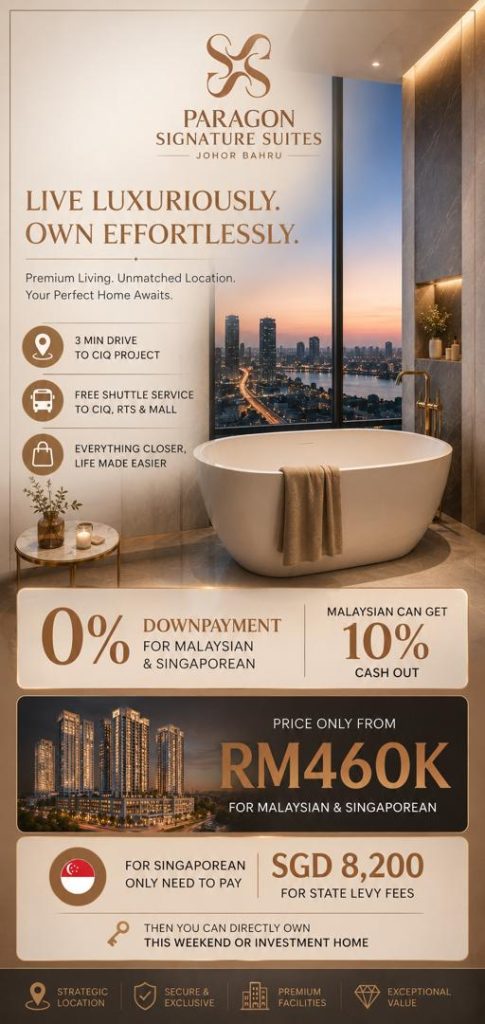
At Paragon Signature Suites JB, the optional Aurum Stay program is structured around collective short-term rental operations. Owners receive 80% of net profit, while management receives 20%, with shared operating costs transparently allocated at 15% for cleaning, maintenance, and utilities. A model like this will not remove investment risk, but it gives buyers a defined framework for understanding where income is generated and where operating expenses go.
Income Potential Depends on More Than a Higher Nightly Rate
Short-term stays can generate stronger revenue per night than a standard annual tenancy, particularly in locations supported by business travel, weekend visits, medical trips, events, and Singapore-Johor Bahru movement. But higher nightly rates do not automatically mean higher net returns.
Short-term rental performance depends on occupancy, seasonality, pricing discipline, unit presentation, cleaning turnaround, guest ratings, and local competition. A stylish room that is poorly marketed can sit empty. A unit with excellent digital visibility but inconsistent housekeeping can lose its ranking and its pricing power.
Long-term condominium leases usually offer a more predictable monthly cash flow and lower turnover. They may suit owners who want fewer moving parts and are comfortable with a fixed rental rate. However, the owner can be exposed to longer vacancy periods between tenants, wear and tear at lease end, and less flexibility to use the unit personally.
A managed serviced apartment may suit buyers who want to preserve personal-use options while participating in the travel market. Before committing, ask how owner stays are handled, whether blackout dates apply, how booking revenue is calculated, and how often statements are issued. Monthly reporting is particularly valuable because it allows you to assess revenue, costs, occupancy trends, and the operator’s performance with clarity.
Facilities Matter When They Support the Guest and the Owner
A gym, pool, sky deck, lounge, or co-working space can lift the appeal of either property type. Yet amenities should be judged by usability rather than by the number of icons on a brochure. Are they conveniently located? Are they maintained to a level that matches the asking rate? Do they serve the needs of working guests, weekend travelers, and residents who may spend real time in the building?
For a hospitality-oriented asset, dual-level facilities and an attentive arrival experience can strengthen the property’s positioning. The same is true for practical connectivity. Shuttle access to major destinations such as KSL, Mid Valley, RTS, and CIQ can be more meaningful than an isolated luxury feature, especially for guests who do not want to navigate a new city by car.
Sustainability also deserves a place in the comparison. Green-certified design can support lower-impact living and give a project a more future-focused identity. It should not be treated as a substitute for good management, but it can add long-term appeal for owners and travelers who increasingly consider how buildings are designed and operated.
Questions to Ask Before You Buy
A polished sales gallery should lead to careful questions, not rushed decisions. Start by confirming the tenure, title structure, expected completion timeline, maintenance fees, sinking fund contribution, parking allocation, and any furnishing requirements. Then move to the rental model.
Ask whether short-term stays are formally permitted under the development’s rules and applicable local requirements. Find out whether you may self-manage, whether a designated operator is required, and whether participation in a rental pool is optional. If revenue is pooled, ask how profit is calculated, how owner usage affects distribution, and how costs are audited.
You should also inspect the actual unit layout. A 645 to 649 square foot one-bedroom suite can feel generous or constrained depending on storage, kitchen planning, natural light, and furniture placement. For a single dweller, smart design may be more valuable than an extra room that adds cost without improving daily use or guest demand.
Which Choice Fits Your Plan?
Choose a conventional condominium when you want a primarily private home, prefer long-term tenants, and are comfortable directing your own furnishing and rental decisions. It can be a sensible path for buyers who value autonomy over service.
Choose a serviced apartment when you want residential ownership with a more organized guest experience, professional support, and potential access to managed short-term rental income. It is especially relevant for investors who recognize that hospitality is an operating business, not just a property listing.
Before reserving any unit, picture a normal Tuesday rather than an idealized weekend. Consider who answers the guest message, who checks the air-conditioning, who prepares the room, and who explains each item on the monthly statement. The property that gives you confidence in those ordinary moments is often the one that will serve your lifestyle and investment goals best.