A GreenRE certified property Malaysia buyers consider is not simply a building with landscaped greenery or energy-saving light fixtures. It is a development assessed against a recognized sustainability framework, with attention to how the building is designed, built, and operated. For buyers in Johor Bahru, that can translate into a more comfortable daily home, a more considered asset, and a property story that increasingly matters to tenants and short-stay guests.
For an investor, the appeal is practical. Utility-conscious design may help support operating efficiency. Better attention to daylight, ventilation, water use, and common-area systems can improve the experience of living or staying in the property. Yet certification should never replace due diligence. The smart question is not only, “Is it certified?” It is, “What does that certification mean for this particular unit, building, and ownership plan?”
What GreenRE Certification Means for Buyers
GreenRE is a green building rating system used in Malaysia. Depending on the project’s certification pathway and level, its assessment may address areas such as energy efficiency, water efficiency, environmental protection, indoor environmental quality, and sustainable building practices.
That matters because a residence is more than its square footage. It is the heat you feel when you enter after work, the lighting used in corridors and facilities, the way water is managed, and the recurring costs involved in keeping shared spaces appealing. A well-considered green development brings these details into the project conversation from the start.
Still, buyers should avoid treating a green rating as a blanket promise of low utility bills or guaranteed resale gains. Actual results depend on occupancy, household habits, appliance choices, management standards, local weather, and how the building performs after handover. Certification establishes a useful benchmark. It does not eliminate the need to review the property carefully.
Why GreenRE Certified Property Malaysia Appeals to Investors
Johor Bahru’s investment market is increasingly shaped by mobility, lifestyle, and rental flexibility. Professionals want a home that feels modern and manageable. Cross-border buyers want convenient access to the CIQ and future RTS connection. Short-stay guests compare properties quickly, often choosing spaces that look comfortable, clean, contemporary, and thoughtfully maintained.
A green credential can strengthen that overall proposition. It gives a development an additional point of distinction beyond location and facilities, especially when paired with a compact layout that is easy to furnish, market, and maintain. For a one-bedroom suite, efficient planning matters: the home should feel refined without creating unnecessary space, furnishing, or upkeep demands.
The investment case is strongest when sustainability supports the full guest and owner experience. Consider the difference between a building that merely promotes a green label and one that combines responsible design with professional arrivals, responsive guest support, housekeeping coordination, and clear reporting. The first is a feature. The second can contribute to a better-operated hospitality asset.
For owners using a managed short-term rental arrangement, efficient common-area operations may also be relevant over time. Cleaning, maintenance, utilities, and guest satisfaction are not abstract concepts. They are part of the operating equation. Lower-impact design does not automatically mean lower costs in every month, but it can align with a more disciplined approach to long-term property management.
Look Beyond the Certification Badge
Before reserving a unit, ask the sales team for clarity on the certification itself. Confirm the project’s GreenRE certification level, the applicable assessment category, and whether the status applies to the full development or a specific phase. Request documentation rather than relying solely on a brochure statement.
Then bring the discussion back to the details that affect your ownership experience. Ask what building features support energy and water efficiency, how common facilities are managed, and what systems are expected to require regular maintenance. If you plan to rent the suite, understand how utility usage is tracked or allocated and how operating costs are presented in owner statements.
It is also worth separating sustainability credentials from rental permission. GreenRE certification does not determine whether short-term stays are allowed. That depends on the development’s ownership structure, house rules, management arrangements, and relevant local requirements. Investors should confirm the project’s short-term rental policy in writing and understand who handles guest screening, check-in, cleaning, issue resolution, and platform distribution.
A hands-off model can be attractive, but the numbers deserve the same attention as the lifestyle. Review the revenue-sharing formula, management fee, cleaning and utility allocation, furnishing costs, owner-use policy, and reporting frequency. A polished suite may be easier to market, but returns are influenced by nightly rates, occupancy, seasonality, competition, and the quality of daily operations.
Sustainability Works Best With Everyday Convenience
For owner-occupiers, a green-certified home should support a better routine rather than ask for compromise. A well-positioned one-bedroom suite can suit single dwellers, young professionals, and buyers seeking a city base without the burden of a large residence. The right facilities extend that convenience beyond the unit itself, giving residents spaces to work out, unwind, host, or simply recharge.
For investors, convenience has another meaning: guest appeal. A property near established retail, dining, and transport routes has a clearer message for visitors. Shuttle connectivity to key destinations can further reduce friction for guests unfamiliar with the city. These details may seem separate from sustainability, but they support a more thoughtful urban stay by making access easier without requiring every trip to begin in a private car.
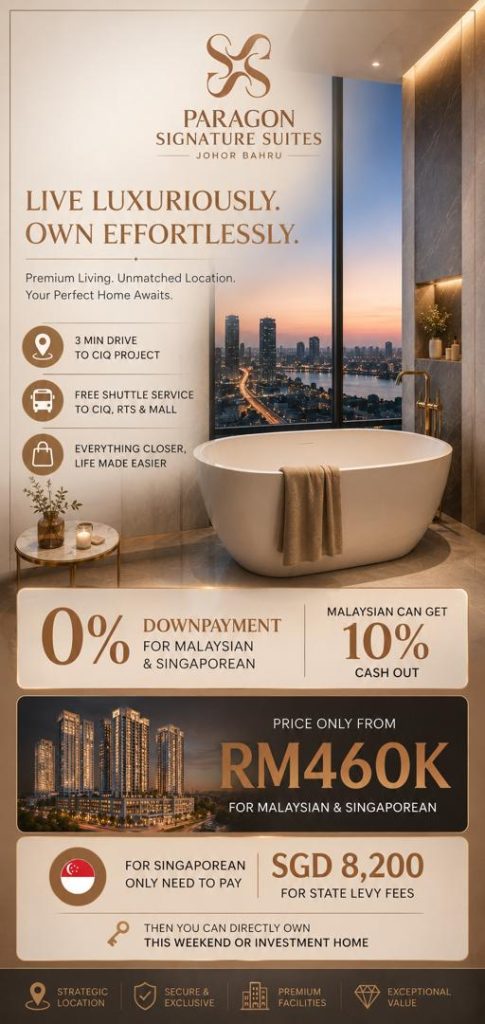
At Paragon Signature Suites JB, the GreenRE-certified positioning sits alongside dual-level lifestyle facilities and an optional Aurum Stay management model. This combination is relevant to buyers who want a refined personal suite while retaining the ability to participate in a professionally managed short-term rental program. The value is not based on a label alone. It comes from connecting the building, the guest experience, and the owner’s operational visibility.
Questions to Ask Before You Commit
A practical buying decision begins with a few direct questions. What exactly has been certified, and at what level? Which design choices are expected to improve energy, water, or indoor comfort? What are the anticipated maintenance obligations for those features? How will building management preserve the standards that made the development attractive at launch?
If rental income is part of your plan, ask how the property will be positioned across booking channels and how the operator manages pricing during quiet periods. Find out what happens when a guest causes damage, when a unit needs repairs, or when you want to use your suite yourself. Clear answers are more valuable than broad promises of passive income.
Foreign buyers should also assess the purchase structure, applicable thresholds, financing options, taxes, and legal requirements with qualified professionals. A lower entry point can make a compact suite more accessible, but affordability should be measured against the full ownership picture, including furnishing, management, sinking fund contributions, maintenance charges, and vacancy periods.
A Better Standard for a City Asset
The best property decisions balance aspiration with evidence. GreenRE certification can signal that a development has taken building performance and environmental considerations seriously. Its greatest value, however, appears when it is matched by a location you would genuinely use, a layout that fits your lifestyle, and an operations model you can understand line by line.
Choose a residence that feels good to return to, makes sense to maintain, and can present well to the next resident or guest. That is where sustainable design becomes more than a selling point – it becomes part of an asset built for lasting relevance.