
A well-positioned Airbnb condo is no longer simply a place to stay on a weekend in Johor Bahru. For the right owner, it can be a compact private residence, a city base near Singapore connectivity, and a professionally operated short-stay asset. The difference lies in what happens after purchase: how the unit is furnished, listed, maintained, marketed, and supported when guests arrive.
For urban buyers and first-time investors, that operational layer matters as much as the floor plan. A one-bedroom suite may be easy to buy, but it is not automatically easy to run as a high-quality hospitality product. Guests expect clean check-ins, responsive support, attractive interiors, dependable Wi-Fi, hotel-style details, and accurate listing information. Owners who want income without a second full-time job need a structure designed to deliver all of it.
What Makes an Airbnb Condo Investment Work
Short-term rental demand is shaped by more than a good-looking unit. Location, access, building rules, guest experience, pricing discipline, and distribution all influence whether a property can attract bookings and maintain healthy reviews.
In Johor Bahru, proximity to major shopping destinations, the CIQ, and future RTS connectivity can broaden a unit’s appeal. A guest might be visiting from Singapore for a short break, traveling for business, attending an event, or looking for a comfortable base while exploring the city. That variety creates opportunity, but it also means the property must be presented and operated consistently.
An investment-grade condo should therefore be evaluated as both real estate and hospitality inventory. The residence needs to feel pleasant enough for an owner to enjoy, while offering the durable finishes, practical layout, and guest-ready amenities that support repeat stays.
A practical size can be an advantage
Large properties can command higher nightly rates, but they also require more capital, more furnishing, and higher ongoing maintenance. A well-designed one-bedroom suite around 646 to 649 square feet can offer a more manageable entry point while still giving guests room to sleep, work, prepare simple meals, and unwind.
For single dwellers, a compact layout can also be a lifestyle decision rather than a compromise. It is easier to maintain, less demanding to furnish, and often better aligned with a flexible city-based routine. The best format depends on an owner’s budget, holding period, and preferred balance between personal use and rental participation.
The Hotel-Style Standard Guests Notice
A guest does not judge a stay only by the number of bedrooms. They remember how the property made them feel from arrival onward. That is why a hotel-style condo model can be more compelling than a basic furnished rental.
The standard starts before check-in. Clear pre-arrival communication, simple directions, and a prepared suite reduce friction immediately. A pre-cooled room, welcome drink, and 24-hour front desk can create a more polished first impression than a conventional key handover. During the stay, reliable housekeeping coordination and prompt maintenance support protect the experience when small issues arise.
These details also protect the owner’s asset. Regular cleaning inspections, maintenance attention, and guest screening help preserve furniture, appliances, and finishes. Short-term rentals carry wear and tear, so a strong operating model must account for it rather than treat it as an afterthought.
Facilities contribute to the nightly-rate story
Shared facilities do not replace good service, but they can strengthen a listing’s appeal. Dual-level lifestyle spaces, pools, fitness areas, and inviting common environments give guests more reasons to choose one building over another. They also enrich the experience for owners using the residence themselves.
Sustainability has a place in this decision as well. A GreenRE-certified development can appeal to buyers who want more thoughtful long-term living standards, particularly when paired with efficient planning and professionally managed common areas. It is a value consideration, not a promise of rental performance, but it can reinforce the quality of the overall proposition.
Why Self-Managing Is Not Always the Best Return Strategy
It is tempting to think that self-managing an Airbnb condo will always produce the highest return because there is no management fee. In practice, the comparison is more complicated. Self-management requires an owner to set prices, answer inquiries, coordinate cleaners, resolve guest concerns, replenish supplies, update calendars, manage reviews, and respond to maintenance requests at inconvenient hours.
For an owner living in Singapore, another Malaysian city, or abroad, those tasks can become especially difficult. Even local owners may prefer not to spend evenings handling a late check-in or a malfunctioning air conditioner. A vacant night caused by slow responses, poor listing presentation, or inconsistent cleaning can cost more than a transparent management fee.
Professional management is most valuable when it handles the entire guest journey rather than only placing a listing online. That includes interior design and furnishing, photography, channel distribution, reservation management, guest support, housekeeping, maintenance coordination, and performance reporting. It converts a property from an owner-operated side project into a managed hospitality asset.
A Revenue Pool Requires Clarity, Not Guesswork
Some owners prefer individual unit performance, while others value the greater consistency of a collective rental pool. Neither approach is universally better. Individual performance can reward a particularly strong unit or view, while a pool can reduce the impact of seasonal swings or uneven booking patterns across similar suites.
The key is transparency. Before joining any program, owners should understand exactly how revenue is collected, which costs are shared, how net profit is calculated, how often statements are issued, and what portion is retained by management. They should also ask how owner stays are handled, whether participation is optional, and what happens if they later want to use the unit more frequently.
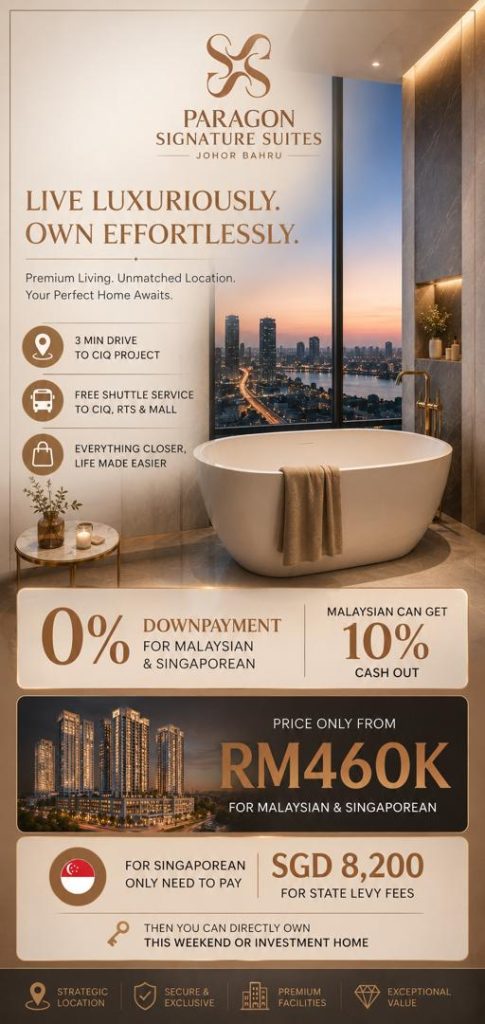
At Paragon Signature Suites JB, the Aurum Stay program is structured around this hands-off ownership model. Participating owners receive 80% of net profit, while management receives 20%. Shared operating costs for cleaning, maintenance, and utilities are allocated transparently at 15%, supported by detailed monthly statements. The program also manages furnishing, design, guest care, booking operations, and distribution across major travel platforms.
This type of structure is particularly relevant for buyers who want visibility without needing to operate every detail themselves. It should still be assessed with the same care as any investment: review the agreement, understand the cost definitions, and evaluate your own cash-flow expectations conservatively.
Questions to Ask Before You Buy
An Airbnb-friendly ownership proposition should never replace due diligence. Short-term rental rules can vary by building, local authority requirements, and changing regulations. Buyers should confirm that the development’s management framework supports the intended use and that their participation complies with applicable requirements.
You should also ask what is included in the purchase price and what is separate. A partially furnished unit may need an additional interior package to reach the standard expected by paying guests. Clarify the cost of furniture, appliances, linens, digital locks, styling, and replacement items, as well as any ongoing fees that affect net income.
Financial projections deserve the same discipline. Nightly rates, occupancy, and expenses can move with holidays, supply, market conditions, and guest demand. Look at a range of scenarios rather than relying on a single optimistic figure. A property can be appealing even if income is seasonal, provided the ownership costs, location, and personal-use value align with your plan.
Finally, consider access. Shuttle connectivity to KSL, Mid Valley, RTS, and CIQ can make a difference for both guests and owners, especially for cross-border travelers who value convenience over complicated transport arrangements. Good connectivity is not just a lifestyle benefit. It can improve a listing’s practical value in a competitive market.
Own the Suite, Leave the Operations to Specialists
The most attractive Airbnb condo is one that gives an owner options. You may use it as a refined city residence, reserve stays for yourself, or place it into a managed rental program when it suits your lifestyle and financial goals. That flexibility is more valuable when the unit is supported by thoughtful design, credible hospitality operations, and reporting that makes the numbers understandable.
For buyers seeking a manageable first property in Johor Bahru, the right suite should feel rewarding before the first guest ever checks in. Choose a home that you would enjoy owning, then let a capable operating model turn its availability into a professionally presented guest experience.
6 Responses