
A vacant one-bedroom suite does not become a bookable stay because it has a sofa, a bed, and a few decorative cushions. A well-planned short term rental furnishing package turns a compact residence into an experience guests can confidently choose online, enjoy on arrival, and review positively afterward. For owners, the goal is not simply a beautiful interior. It is a durable, guest-ready asset designed to support occupancy, protect the unit, and reduce the daily work behind rental income.
For buyers considering a compact investment suite in Johor Bahru, furnishing is often the difference between owning a property and operating a hospitality product. The right package should reflect the expectations of business travelers, weekend visitors, cross-border guests, and longer-stay professionals, while keeping the owner’s cost and operational burden clear from the start.
A Short Term Rental Furnishing Package Is More Than Furniture
A proper package begins with the layout. In a one-bedroom suite of approximately 645 to 649 square feet, every item needs a purpose. Oversized furniture can make a residence feel crowded in photographs and inconvenient in person. Under-furnishing creates the opposite problem: a guest may feel they have booked a basic apartment rather than a polished hotel-style condominium.
The strongest interiors balance comfort with circulation. A defined living area, dining or work surface, comfortable sleeping zone, practical storage, and an uncluttered kitchen should all work together. This is especially relevant for single dwellers and couples, who often want the privacy of a home with the ease of a serviced stay.
A furnishing package should therefore be approached as a complete operating setup, not a shopping list. It must account for the visual standard of listing photography, the physical demands of frequent turnover, and the small details that shape a guest’s first impression.
The Essential Layers of a Guest-Ready Suite
The foundation is durable core furniture. This typically includes a properly sized bed and quality mattress, bedside tables, a sofa or lounge chair, coffee table, dining set, television console, wardrobe solution, and practical desk or flexible work surface. For a short-term rental, furniture should look refined without being precious. Light-toned upholstery may suit a show unit, for example, but it can require more frequent cleaning than performance fabric in a managed rental.
The second layer is functional equipment. Guests notice when the basics are missing: blackout curtains, bedside lighting, hangers, a full-length mirror, luggage space, waste bins, ironing facilities, hair dryer, and enough power points or charging access near the bed and work area. These are modest additions individually, yet they make a suite feel considered rather than improvised.
The third layer is the kitchen and dining setup. A short-stay guest may only prepare coffee and breakfast, while a weekly or monthly guest may expect to cook simple meals. The package should match the intended guest profile. At a minimum, owners should consider a refrigerator, microwave, kettle, basic cookware, plates, bowls, glasses, mugs, cutlery, and food-preparation tools. Too little inventory frustrates guests. Too much adds replacement cost and clutter.
Finally, soft furnishings and styling create the emotional reason to book. Coordinated linens, cushions, curtains, artwork, rugs, and carefully selected décor help a suite stand out in a crowded booking feed. This is not an argument for filling every surface with accessories. Clean lines generally photograph better, are easier to maintain, and give guests room to settle in.
Design for Reviews, Not Just the First Photograph
A visually appealing suite may win the click, but an easy stay earns the review. That distinction should guide every furnishing decision.
A dining chair needs to be comfortable enough for laptop work. A bedside table needs space for a phone, glasses, and water. A sofa should withstand regular use, not merely look attractive in a listing image. Lighting should flatter the room while providing enough brightness for reading, packing, and working. Even storage matters more than many first-time owners expect, particularly for guests staying longer than a weekend.
There is also a practical relationship between design and housekeeping. Floating decorative pieces, delicate materials, and difficult-to-clean rugs can create extra work at every turnover. A premium result does not require fragile finishes. It requires smart specifications: washable textiles, wipeable surfaces, replaceable linens, and furniture that can be cleaned, repaired, or refreshed without disrupting bookings.
For investors, this is where professional interior planning can protect the long-term return. An attractive but impractical fit-out may cost less at the start, then create recurring replacement, cleaning, and guest-service issues. A hospitality-minded package considers the full operating life of the suite.
What Should Be Included Beyond the Interior
A furniture package alone is incomplete. Short-term rental readiness also depends on operational supplies and the systems behind the guest experience.
A complete setup should account for bedding sets, bath towels, kitchen inventory, cleaning tools, basic safety items, Wi-Fi readiness, and a clearly organized place for guest information. Spare inventory is equally valuable. When turnover happens quickly, a missing pillowcase or broken glass should not delay the next arrival.
Owners should also ask who manages replacements, damage checks, linen quality, deep cleaning, and maintenance coordination. These responsibilities can be handled independently, but they demand time and local oversight. For an owner living in Singapore or investing from elsewhere, a turnkey management model can be more valuable than a lower furnishing quote that leaves every operational decision to the owner.
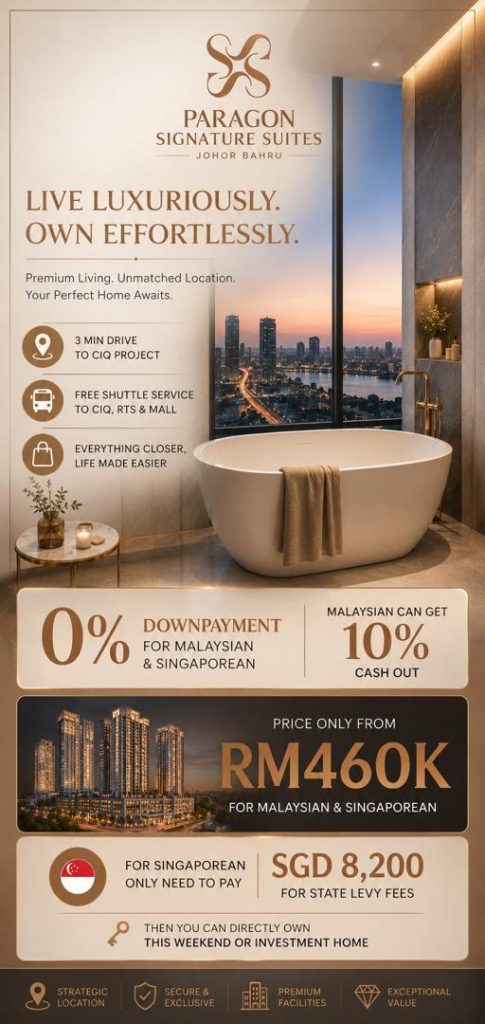
At Paragon Signature Suites JB, the Aurum Stay program is designed around this wider hospitality picture, combining furnishing and interior design with housekeeping, guest support, maintenance, booking management, and distribution. The value is not only that a unit is styled before launch. It is that the suite can be maintained as a consistent guest product after the first booking.
Choosing Between a Basic Package and a Managed Setup
The best choice depends on how involved the owner wants to be. A basic furnishing package may suit an owner-occupier who occasionally rents the home and prefers to select every piece personally. It can offer more design freedom, but it also requires the owner to manage procurement, delivery, installation, photography, listing creation, guest messages, and ongoing repairs.
A managed furnishing and rental setup is often better suited to investors who prioritize convenience and consistent standards. It usually comes with less personal control over every decorative choice, yet that trade-off can be worthwhile when the property is intended to function as an income-producing suite rather than a personal project.
Before committing, owners should seek clarity on four commercial points:
- Whether the stated furnishing price includes design, delivery, installation, and essential operating inventory.
- Who owns the furnishings and who approves future replacements or upgrades.
- How cleaning, utilities, maintenance, and damage-related costs are allocated.
- How rental revenue, occupancy reporting, and monthly statements are managed.
These questions are not administrative details. They determine whether the package delivers a polished opening only or supports a sustainable rental operation over time.
Furnishing for the Johor Bahru Guest Market
Johor Bahru benefits from a varied visitor base, including Singapore-connected travelers, families, business guests, medical visitors, and domestic staycation demand. That diversity favors interiors that feel modern, calm, and broadly appealing rather than overly themed.
For a compact one-bedroom suite, a contemporary palette, clean storage solutions, reliable work area, and comfortable bed often create more booking value than expensive statement pieces. Guests are likely to remember a smooth arrival, a cool and clean room, good sleep, fast support, and facilities they can actually use. Furnishing should support that complete experience.
Location and building amenities also influence what a package needs. A residence with lifestyle facilities and convenient shuttle connectivity can appeal to short-stay guests without needing excessive in-room entertainment. Conversely, a unit positioned for longer stays may benefit from additional storage, a stronger workstation, and a more complete kitchen setup.
The right package is not the one with the largest inventory list. It is the one that makes a guest feel immediately at ease while giving the owner a clear, manageable path to operating the suite. Choose furnishings as part of the investment model, and each room can work harder from the moment the first guest checks in.
One Response